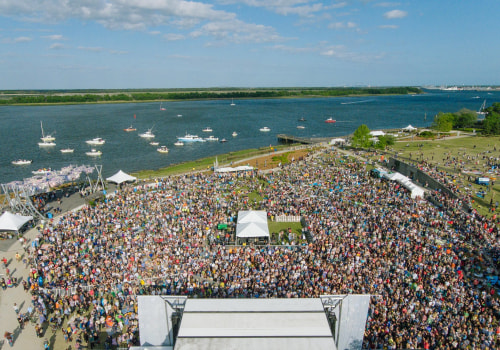
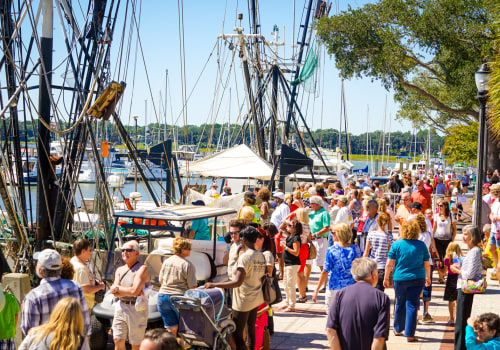
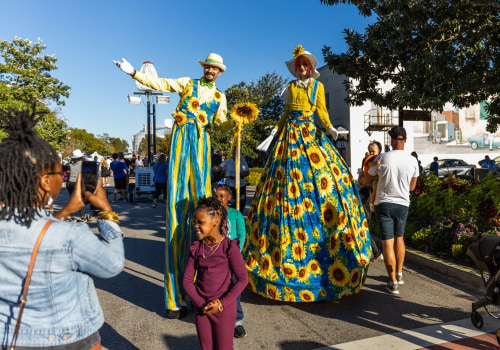
The Lowcountry region of South Carolina is known for its breathtaking marshlands, historic towns, and vibrant cultural heritage — but perhaps nothing captures its spirit better than its festivals. For centuries, these community gatherings have reflected the area’s diverse influences, blending African, European, and Native American traditions into a tapestry of celebration that showcases the region's cultural assets. Festivals here aren’t just social events; they are living history lessons that honor the land, the people, and the shared experiences that define the Lowcountry’s identity. The Lowcountry region of South Carolina is known for its breathtaking marshlands, historic towns, and vibrant cultural heritage — but perhaps nothing captures its spirit better than its festivals. For centuries, these community gatherings have reflected the area’s diverse influences, blending African, European, and Native American traditions into a tapestry of celebration that showcases the region's cultural assets. Festivals here aren’t just social events; they are living history lessons that honor the land, the people, and the shared experiences that define the Lowcountry’s identity.
From Harvest Feasts to Heritage Celebrations
The origins of Lowcountry festivals trace back to early agricultural traditions. In the colonial period, communities celebrated the changing of the seasons and the success of their crops with feasts, music, and dance. These gatherings evolved into local fairs and markets, where farmers, artisans, and fishermen showcased their goods. As time passed, cultural and historical themes began to shape the festivities — from Gullah heritage festivals that preserve the unique Creole culture of coastal African American communities, to seafood and oyster festivals celebrating the region’s thriving coastal economy. Each event became a reflection of the community’s resilience, creativity, and pride.
Food, Music, and Storytelling
Food is at the heart of every Lowcountry celebration. The rich culinary traditions of the area — featuring shrimp, crab, oysters, rice, and local produce — are central to festivals large and small. Events like the Beaufort Shrimp Festival or the Bluffton Seafood Festival showcase the flavors that have defined the region for generations. Music, too, plays a vital role. From gospel and blues to bluegrass and Gullah spirituals, the rhythms of the Lowcountry tell stories of struggle and joy. Local storytellers and historians often share folktales passed down through generations, keeping the oral traditions alive. Together, food, music, and storytelling create an atmosphere of warmth and belonging that is uniquely Southern.
The Modern Revival of Cultural Pride
In recent decades, Lowcountry festivals have experienced a renaissance as communities rediscover the importance of cultural preservation. Tourism has also played a role, drawing visitors eager to experience authentic Southern hospitality. Events such as the Hilton Head Island Seafood Festival and the Lowcountry Oyster Festival have grown into major attractions, while smaller local celebrations still retain their intimate charm. Many festivals now feature art exhibits, historical reenactments, and educational programs that connect attendees to the region’s past. This blending of entertainment and education ensures that the Lowcountry’s history continues to thrive in the hearts of both locals and visitors.
Gathering Together in Modern Times
For many families, attending these festivals is an annual tradition — a chance to reconnect with friends, enjoy good food, and celebrate shared heritage. Some visitors even travel from out of state with campers or trailers, taking advantage of convenient RV Storage options throughout the region to make their visits more flexible. This practical element reflects the Lowcountry’s welcoming spirit — a place where travelers, locals, and newcomers alike can find a sense of community. Whether along the Charleston waterfront, on Hilton Head Island, or in smaller towns like Beaufort and Bluffton, festivals offer a reminder that joy and connection are timeless.
Preserving the Legacy
The enduring appeal of Lowcountry festivals lies in their ability to evolve while staying rooted in history. As the region continues to grow, local leaders and cultural organizations remain dedicated to preserving traditions that define the area’s identity. Through these gatherings, the Lowcountry’s rich blend of heritage — from Gullah-Geechee culture to maritime traditions — continues to flourish. Every song sung, every oyster shucked, and every story told keeps the history of South Carolina’s Lowcountry alive, ensuring that future generations can experience the same magic of community and celebration that has shaped the region for centuries.